The high-stakes meeting is scheduled for Monday, July 28, in Kuala Lumpur, where Cambodian Prime Minister Hun Manet and Thailand's Acting Prime Minister Phumtham Wechayachai will meet face-to-face. Both countries have placed their trust in Malaysia’s neutral stance and firmly stated they do not seek the involvement of any other third party in the negotiations.
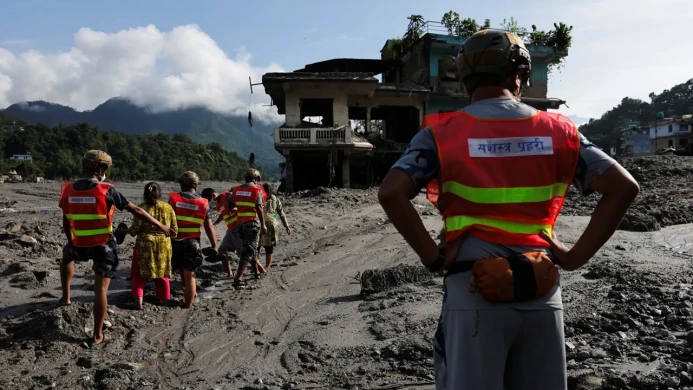
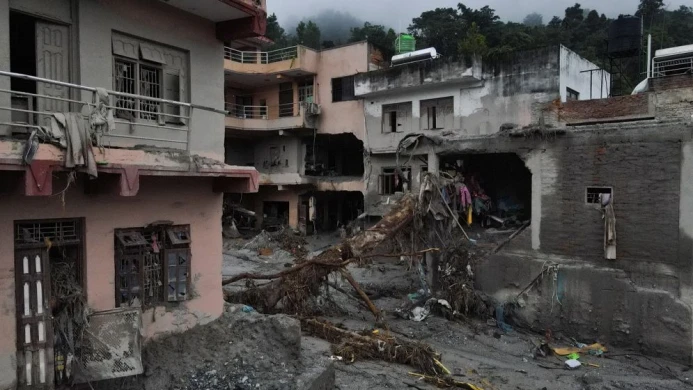
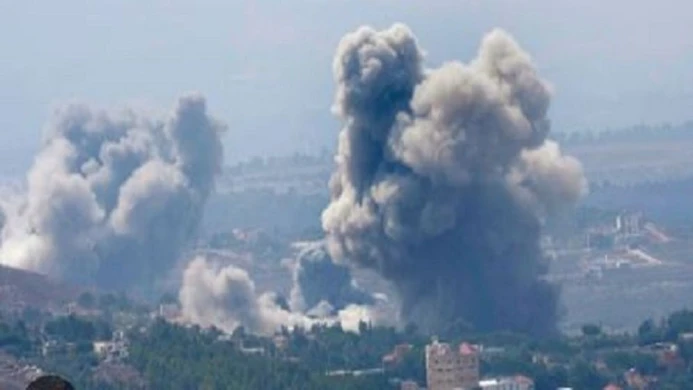
The clashes, which erupted on July 23, have already claimed over 30 lives — 21 in Thailand and 13 in Cambodia — and forced more than 200,000 people from border villages to flee in search of safety. The escalating humanitarian crisis has alarmed the international community.
On July 25, Malaysian Prime Minister Anwar Ibrahim made a public appeal to both nations to immediately cease hostilities. Cambodia responded with unconditional acceptance, whereas Thailand demanded that Cambodia first implement a ceasefire as a sign of good faith.
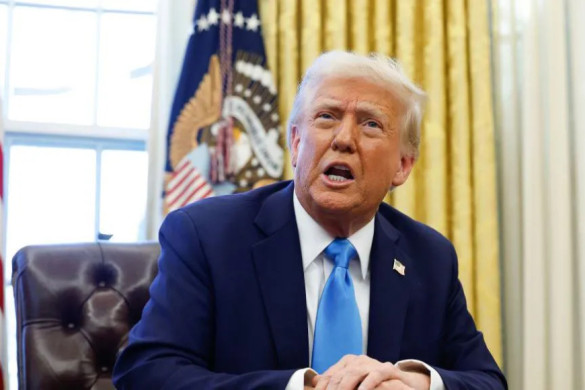
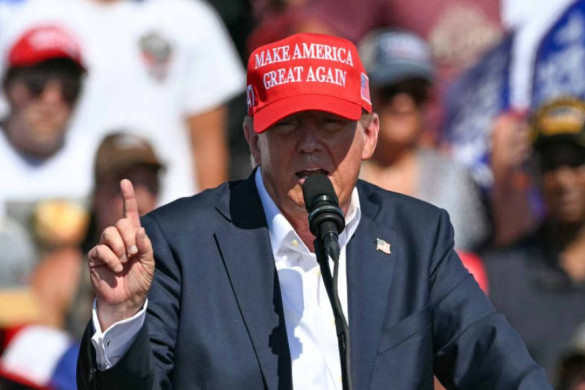
Adding pressure, US President Donald Trump personally spoke with both leaders over the phone, urging an immediate end to the conflict. He warned that failure to resolve the situation could result in the suspension of trade agreements with the United States.
The United Nations Security Council and other ASEAN member states have also intensified efforts to broker peace, emphasizing that prolonged instability could have far-reaching consequences for the region.
Malaysia’s Foreign Minister Mohammad Hasan stressed the urgency of the situation, stating, “This is no longer a bilateral border dispute. It threatens the entire Southeast Asian region’s peace and stability. Malaysia will do everything possible to mediate a peaceful resolution.”
Source:Reuters