Reports from Al Jazeera and The Wall Street Journal indicate that the proposal calls on Iran to dismantle its main nuclear facilities, halt uranium enrichment, suspend its ballistic missile program, reduce support for regional proxy groups, and fully reopen the Strait of Hormuz.
In return, Washington has promised to lift nuclear-related sanctions on Tehran and provide assistance for its civilian nuclear program.
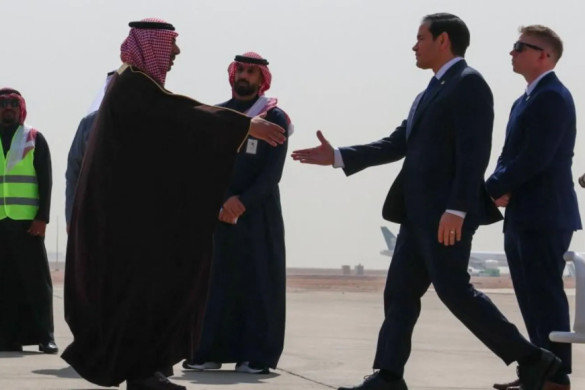
According to The New York Times, the plan was transmitted through Pakistan, with the country’s army chief, Syed Asim Munir, playing a mediating role between the US and Iran. Islamabad has also indicated readiness to host direct talks if both sides agree.
Reuters confirmed that the plan has been sent to Tehran, though neither country has issued an official comment.
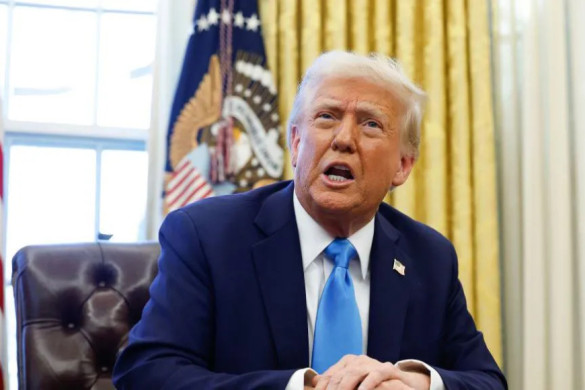
Meanwhile, US President Donald Trump stated that talks with Iran were “positive” and announced a five-day suspension of attacks on energy infrastructure. Tehran, however, denied that any direct meetings had taken place.
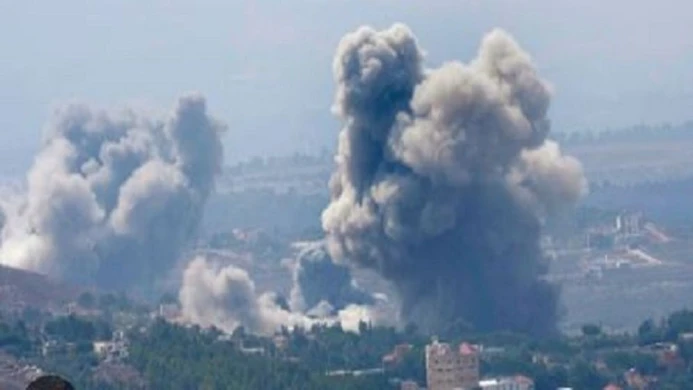
The conflict, which began on February 28 with US and Israeli strikes and Iranian retaliatory attacks, has now entered its fourth week. The exchanges have caused casualties, extensive infrastructure damage, and disruptions in the global energy market.
Analysts say that while the proposal opens a potential diplomatic path, actual progress depends on Iran’s consent, Israel’s position, and the evolving military situation.