An Arab official familiar with intelligence said the shipments came after a de-facto truce between Iran and Israel was reached on 24 June. The official, who spoke on condition of anonymity, confirmed that the United States and its Arab allies were aware of the development, and the White House had been informed.
While the exact number of missiles is unclear, one official noted that Iran is compensating China with oil shipments—Beijing being the largest importer of Iranian crude. According to the US Energy Information Administration, nearly 90% of Iran’s oil exports are sent to China, often disguised through third countries like Malaysia to evade sanctions.
“The Iranians engage in creative ways of trading,” the source told MEE.
Strengthening Military Ties
The arms transfer marks a notable deepening of military cooperation between Iran and China, especially after China and Russia stayed relatively quiet during Israel’s intense air campaign.
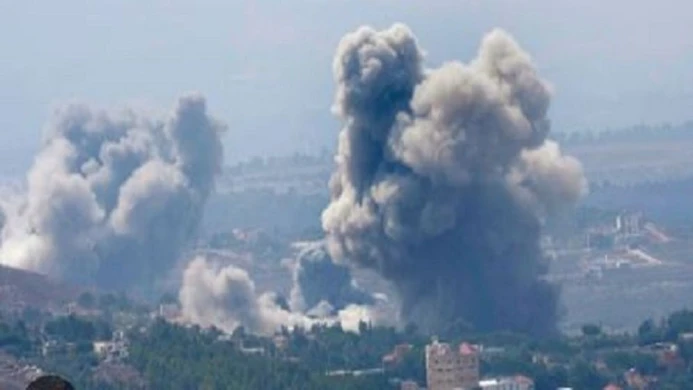
Despite significant losses, including missile launch pads and key personnel, Iran managed to continue firing ballistic missiles into Israeli territory—hitting sites in Tel Aviv and Haifa—before the ceasefire was enforced.
Iran’s missile arsenal includes a mix of Russian S-300s, older Chinese systems, and domestically produced batteries such as the Khordad and Bavar-373. However, their capability to counter Israel’s stealth F-35 jets remains limited.
China has a history of supplying Iran with missiles, including HY-2 Silkworms in the 1980s and, reportedly, HQ-9 systems in 2010. China also exports the HQ-9 and HQ-16 systems to other regional players such as Pakistan and Egypt.
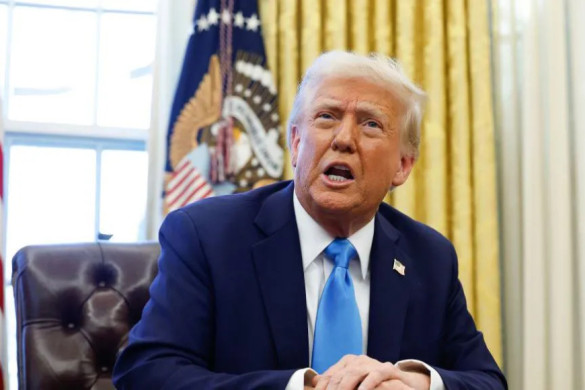
Israeli Prime Minister Benjamin Netanyahu is set to meet US President Donald Trump next week, with Iran’s military buildup expected to be a central topic. The White House did not respond to MEE's request for comment.